
Dashnow Lab

Projects

1000 Genomes Project Long Read Sequencing Consortium
1000 Genomes Project Long Read Sequencing Consortium Re-sequencing >3,000 samples from the 1000 Genomes Project with long-read sequencing

The Dashnow Lab is leading the tandem repeat working group within the 1kGP-LRSC. The goal of the Consortium is to identify a broader spectrum of genomic variation than is possible using short-read sequencing, including SVs, repeat expansions and methylation patterns.

Discovering genetic determinants of de novo tandem repeat mutations
Discovering genetic determinants of de novo tandem repeat mutations Using long-read sequencing four-generation, 28-member family (CEPH 1463)

We employed multiple short and long-read sequencing technologies to generate phased assemblies and characterize both inherited and de novo variation.

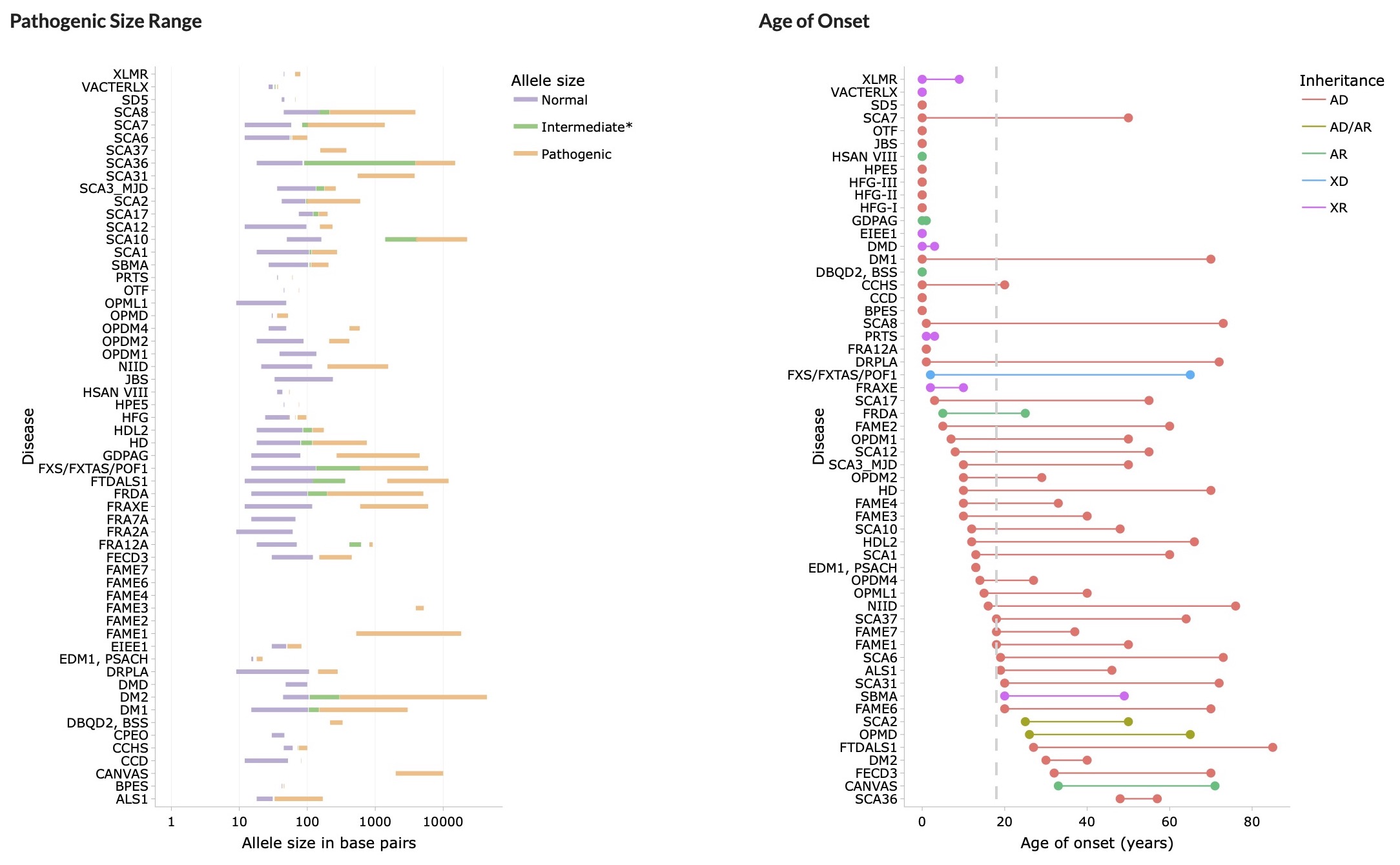
STRchive
STRchive Short Tandem Repeat Archive (pronouced "S-T-archive")

A database of STRs associated with disease in humans.

criTRia
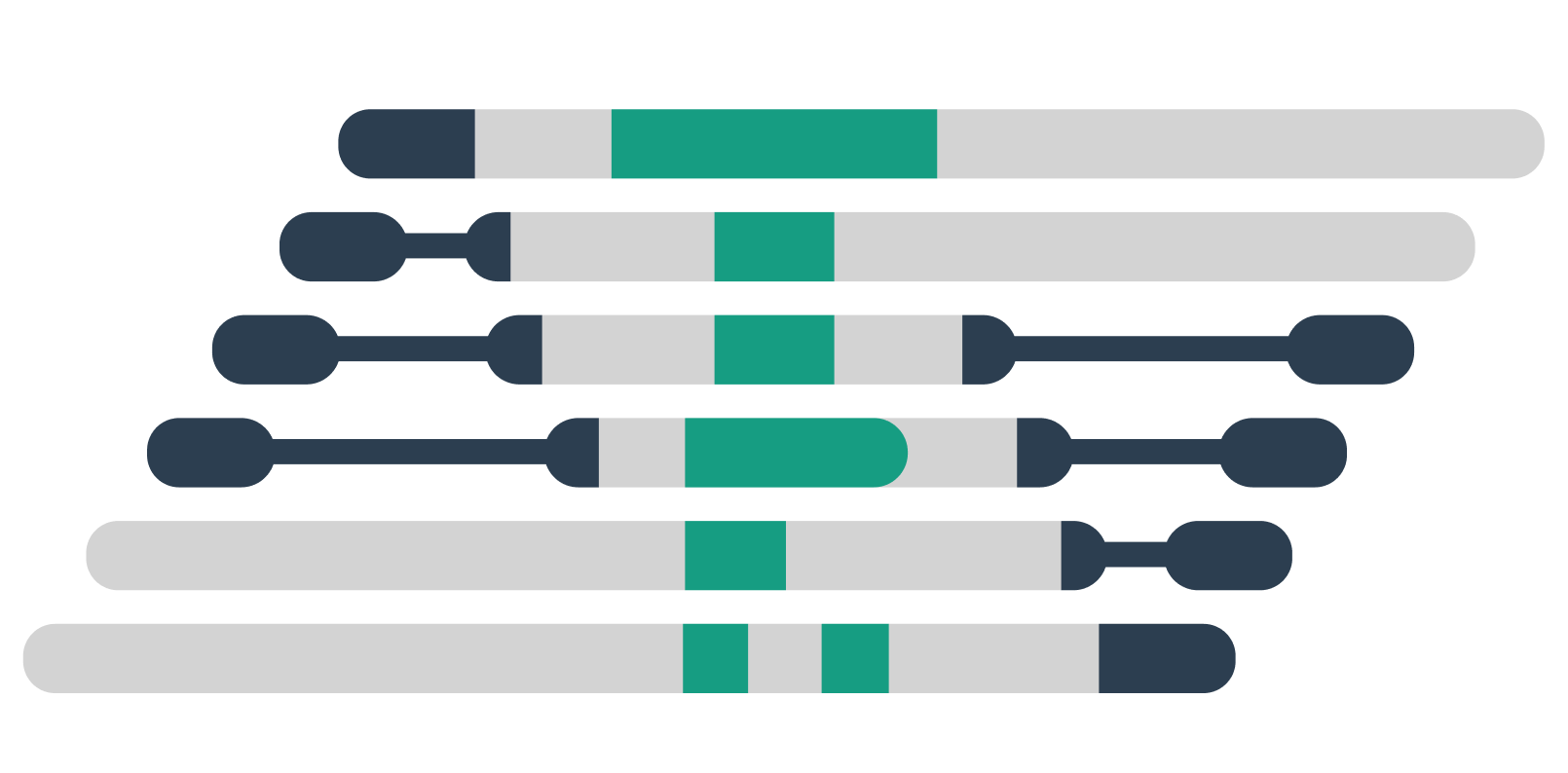
criTRia A Classification System and Evidence Criteria for Tandem Repeat Locus-Disease Relationships

A framework for systematically classifying and curating the strength of evidence linking tandem repeat loci to disease.
ATaRVa
ATaRVa A technology-agnostic tandem repeat genotyper for long read sequencing data (led by the Sowpati Lab)
TRGT
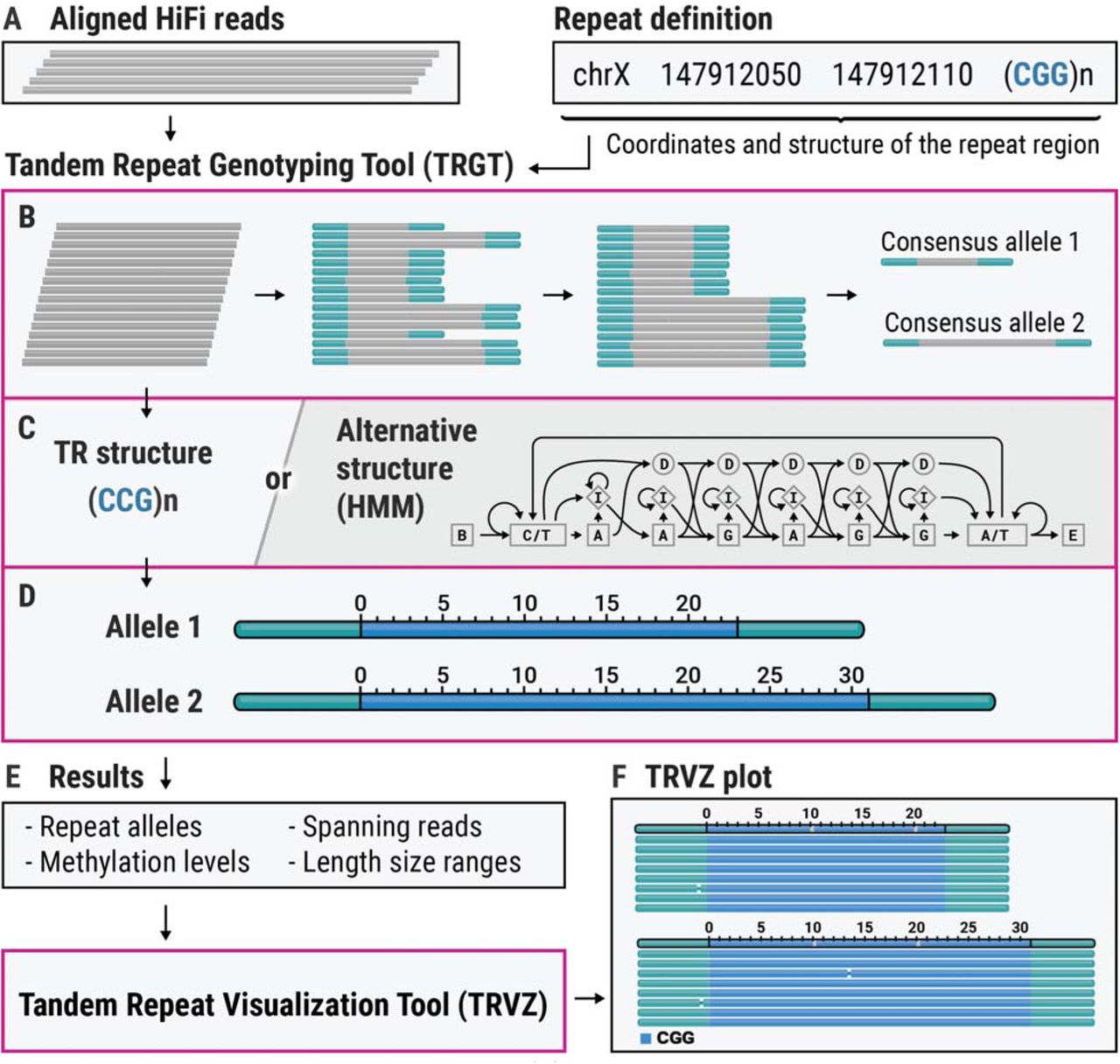
TRGT Tandem Repeat Genotyping Tool (pronounced "target")

TRGT genotypes tandem repeats from PacBio HiFi long read data and visualizes them with TRVZ.

STRling
STRling A computational method to call short tandem repeat expansions at known and novel loci (pronounced "sterling").

STRling can detect novel expansions where there is no STR in the reference genome, or an alternate motif.
STRretch
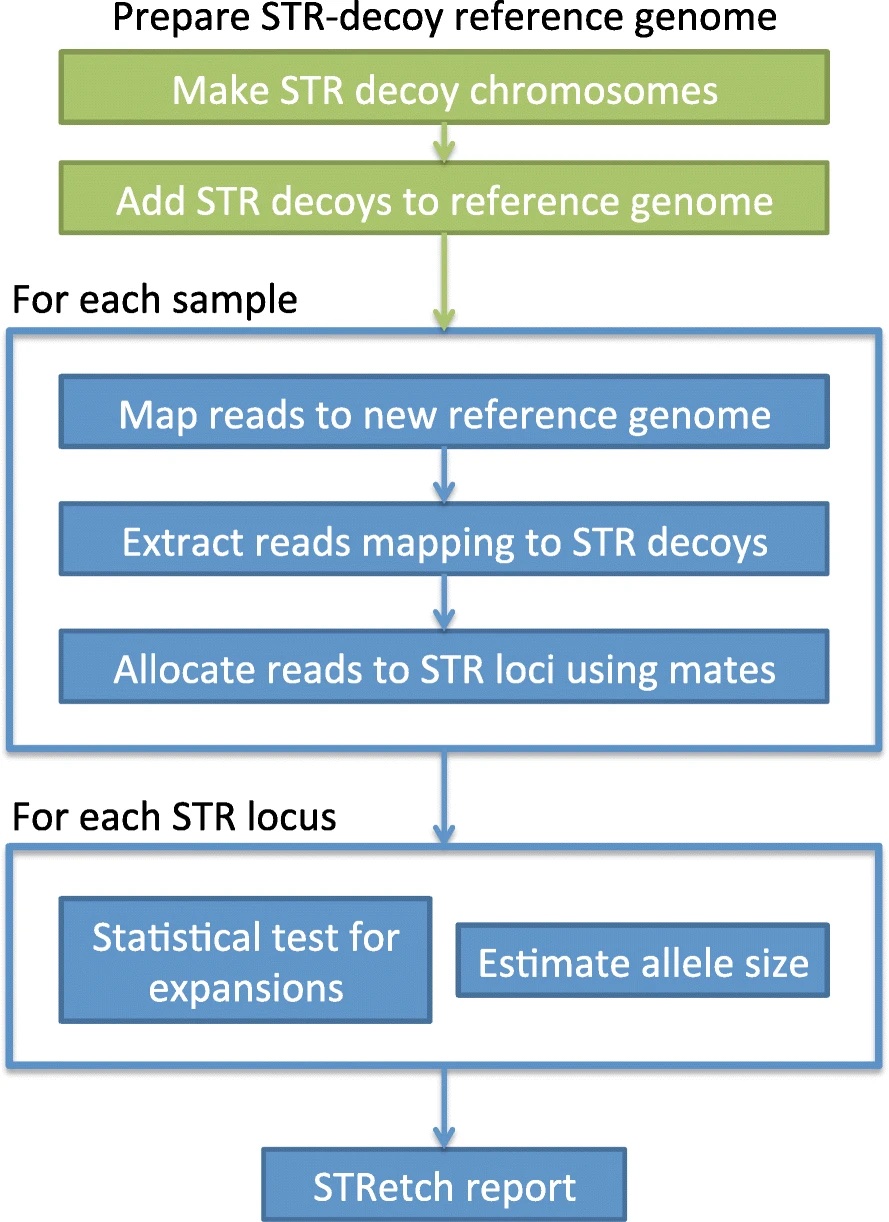
STRretch A computational method to detecting short tandem repeat expansions from short-read sequencing data.

STRling can detect novel expansions where there is no STR in the reference genome, or an alternate motif.